


Itinerary

Day 1: Hike to Europa Hut
Distance: 5kms, 930m up/ 85m down
Time: 4 Hours
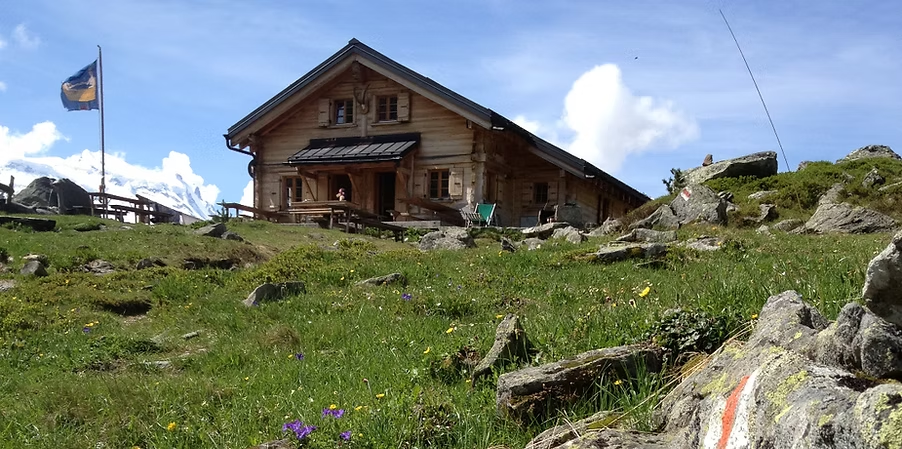
Itinerary: You will be met in Randa at 12.30pm, on the train line to Zermatt. From there, you’ll take the rugged and steep trail up to the Europa Hut. With panoramic views of the surrounding Swiss Alps, you will spend the evening in this cosy mountain hut at just over 2260m of altitude.
.png)
Day 2: Europa Hut to Täschalp (via Charles Kuonen Suspension Bridge)
Distance: 9km (plus optional 5km) 700m +500m up/ 800m +500m down.
Time: 5-8 Hours
Itinerary: Today you'll cross the Charles Kuonen suspension bridge. At 494m long, it's the longest hanging suspension bridge in the Alps! You’ll then continue to hike along the Europaweg trail up to Taschealpen, a remote mountain restaurant and refuge at 2200m of altitude, surrounded by glaciers and mountain peaks.
On this day there is an optional excursion of another 500m climb and 3km to a remote mountain hut, Taschehutten, with views of the highest mountain in Switzerland (and great tart).
The really brave will also take a dip in a glacial stream before we enjoy wine and home-cooked food and fall asleep with the sound of cowbells in the distance.
.png)
Day 3: Täschhütte to ZeSeewjinu
Distance: 13.6km 750m up/ 600m down.
Time: 7 hours.
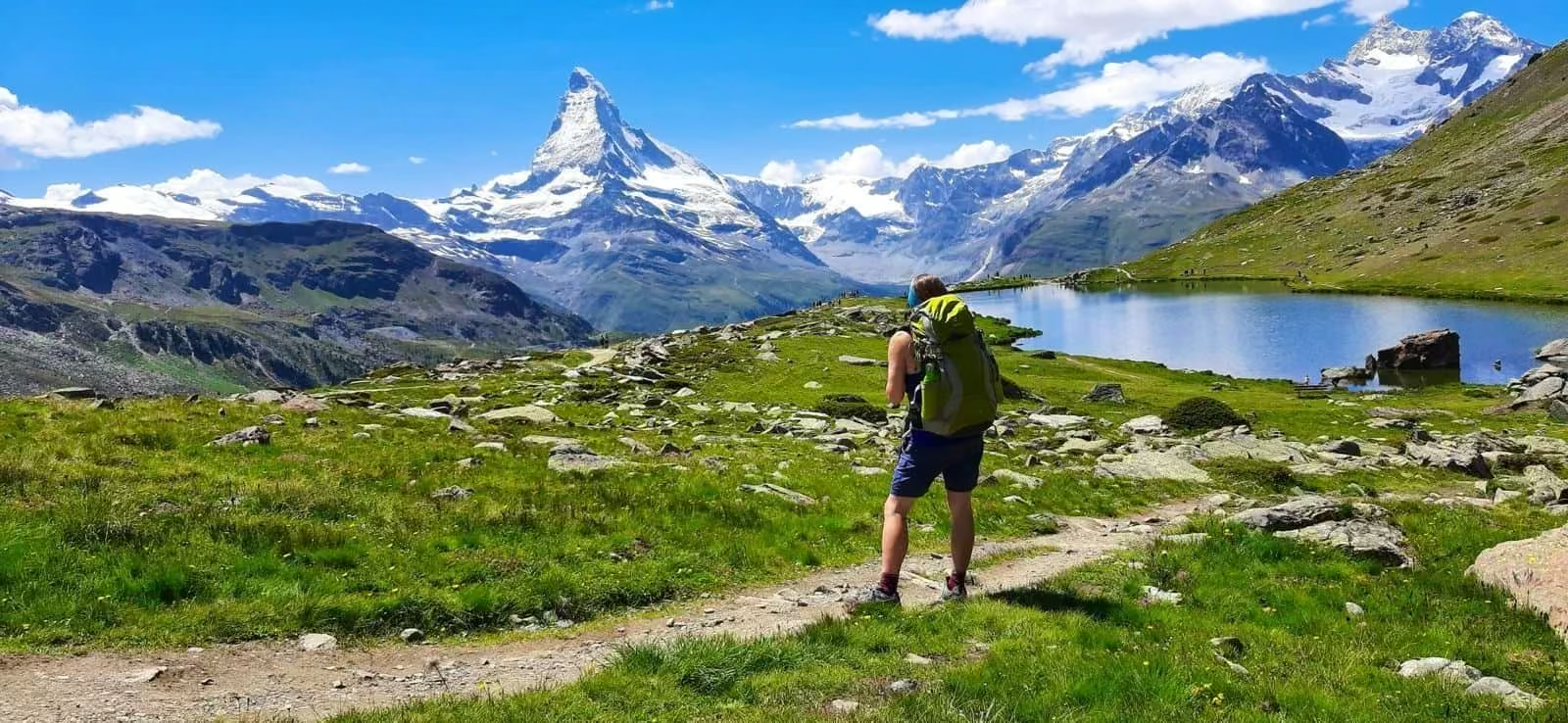
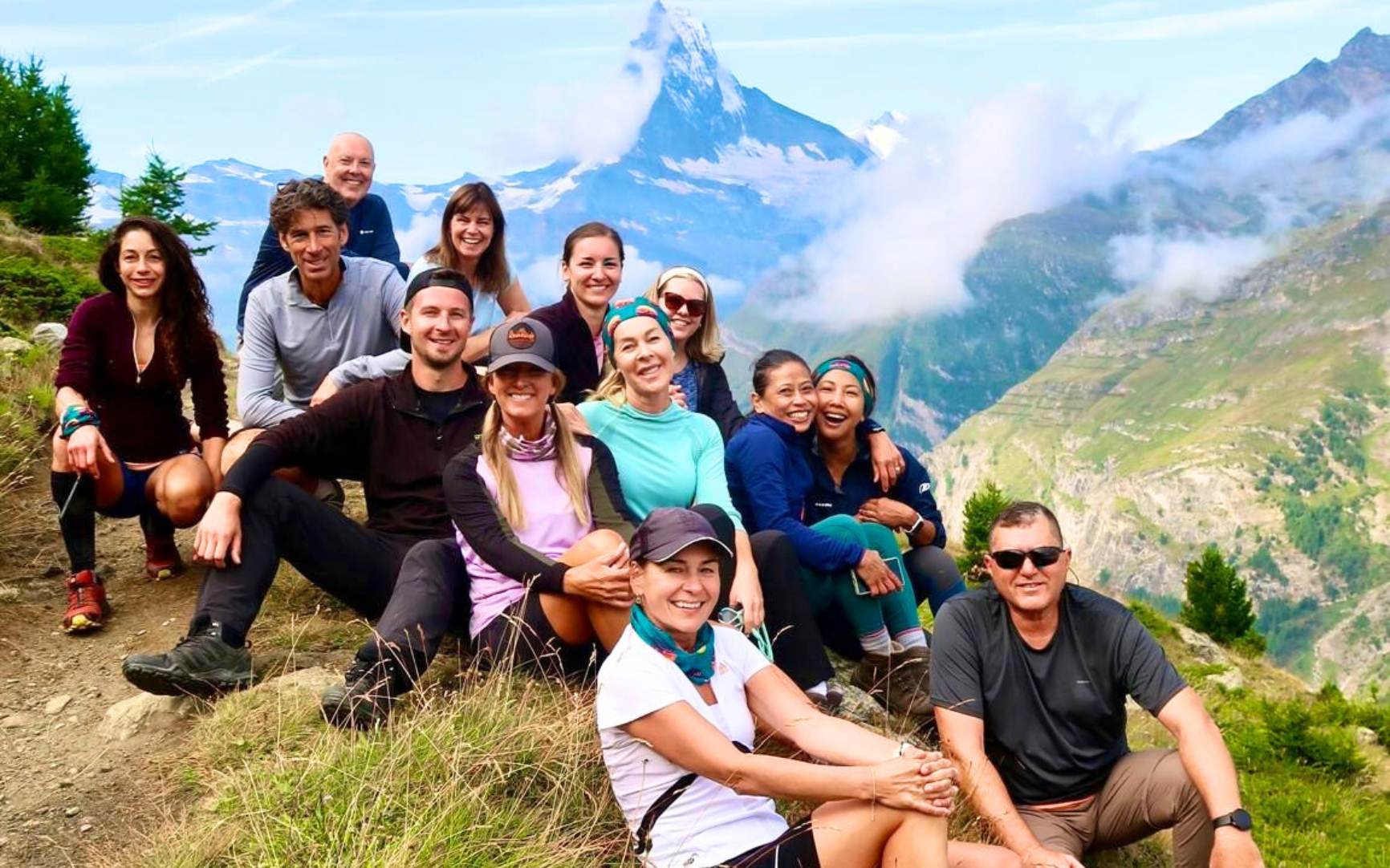
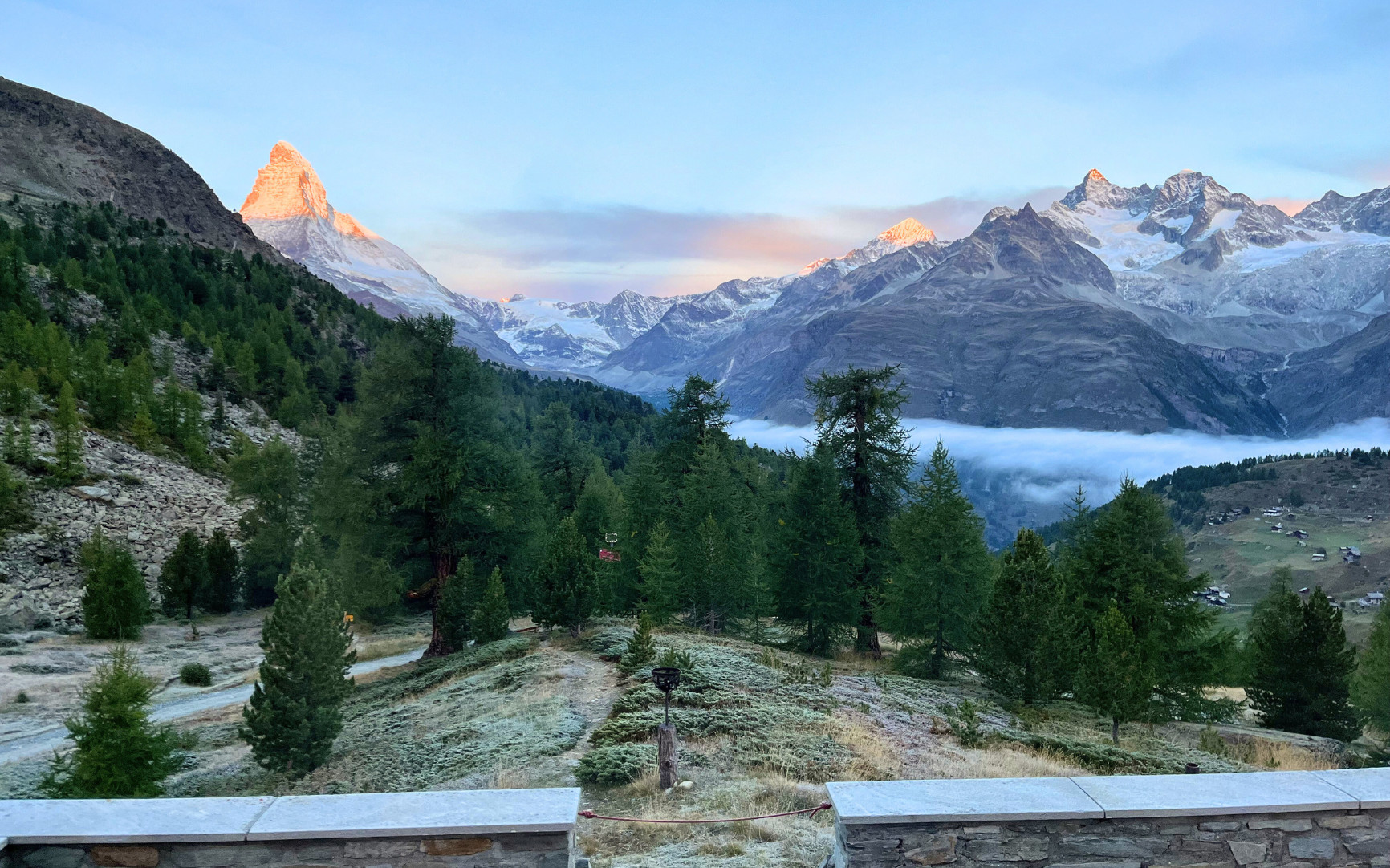
Itinerary: Today the Matterhorn comes into view!
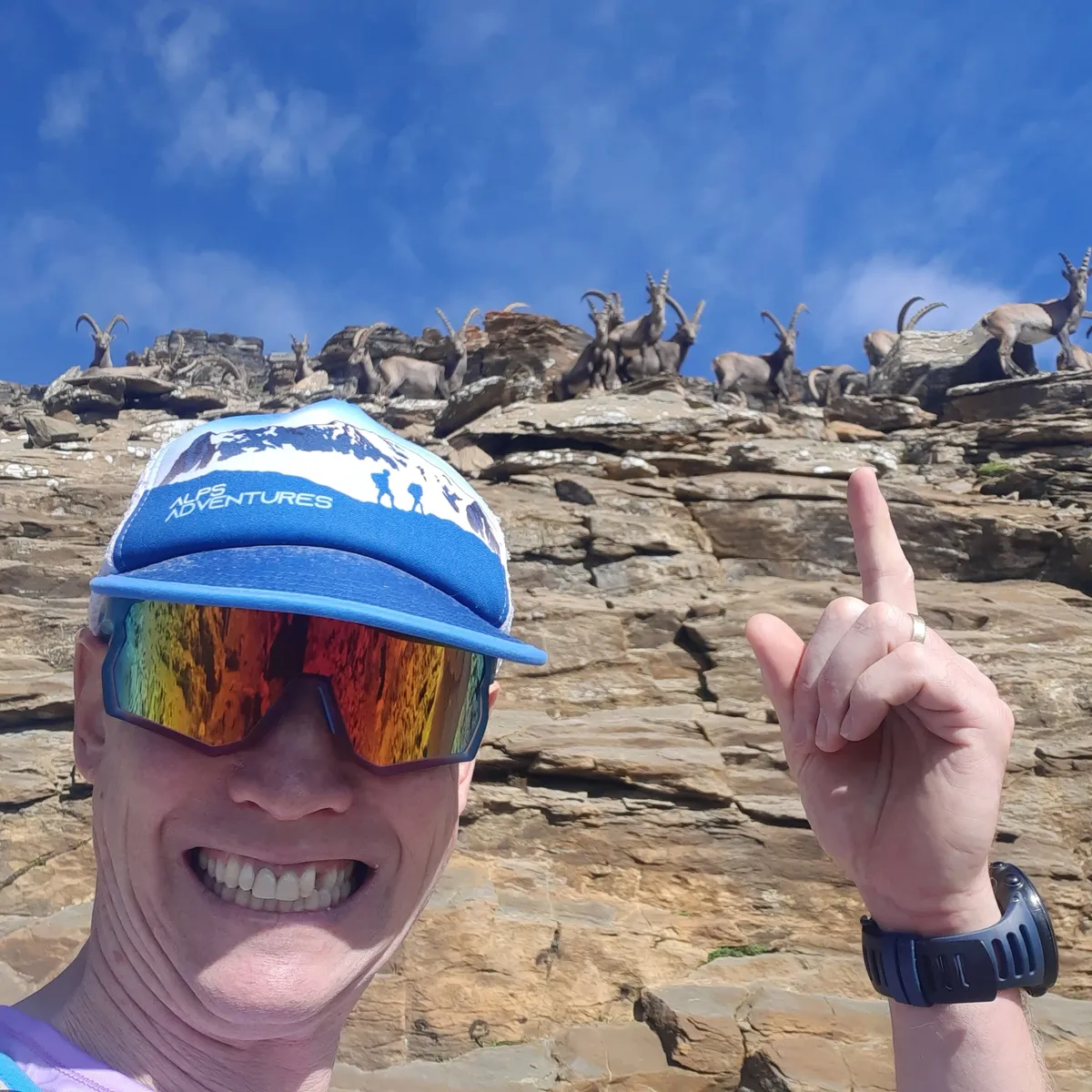
We contour the mountain on quiet trails looking out for wildlife before entering the Zermatt ski resort. Lunch will be at Flu Alpine Hotel (Soups/ Salads/ Rösti). We then have a ridge walk before our final stop before the hotel for a swim in the alpine lake.
The day will finish at the ZeSeewjinu mountain hut, where you can enjoy more amazing views of the Matterhorn. You can sit on the terrace and relax before a sumptuous dinner.
.png)
Day 4: Five Lakes Trail
Distance: 8km 200m up/ 900m down.
Time: 4 hours.
Itinerary: For the final day, you continue to travel along the 5 Lakes trail with incredible views of the Matterhorn and reflections of it.
After a coffee stop, you’ll continue down to Zermatt for a lunchtime finish (2pm) in time for the train back to the airport or on for further adventures.
.png)

Kit List
Clothing
Please make sure that you have non-cotton clothing for trekking.
- 2/ 3 x shirts
- 3 x hiking socks (invest in Merino socks)
- 3 - 4 pairs of underwear
- 1 x fleece
- Light down or Primaloft jacket
- Waterproof jacket and trousers
- Hiking trousers/ shorts
- Sun Hat, Warm Hat and gloves
- Buff or scarf - we will give you a team one!
- Swimming shorts/costume
Footwear
- Trekking boots/ shoes: 3 or 4 season lightweight
- Optional Lightweight shoes for the evening (or borrow hut slippers)
Documents
- Passport
- Boarding pass for flights
- Money (CHF / EUROS)
- Credit/Debit Card
Sleeping
- Sleeping bag liner (you can buy from us)
- Ear Plugs
Other
- A day bag: 35 - 40 litres - all your kit should fit into this bag
- Travel towel
- Dry bag or liner
- Water bottle: At least 2L
- Sun protection: Sunglasses, suncream and sun hat
- Personal medication
- Toiletries - slim this down you do not need much
- Electronics - headtorch, travel adapter, phone and charger
- Hand sanitiser
- Hiking poles (Available to rent for 10 Euros - just ask your guide)

Difficulty Rating
Moderate
We will be hiking on marked paths. There will be no need to use your hands.
However, this is still a challenging hiking trip. You can expect to be hiking all day at a slow but steady pace. We will cover significant height gain and loss, as well as distance. Expected daily distances are given in the itinerary section. You will need to carry your backpack, so pack light.
This is achievable by all people with good fitness and a positive attitude.
This is our most leisurely hiking trip, but it is still a challenge and an adventure.

What's included
3 Nights on Mountain Accommodation
Professional Mountain Guides
Food (Dinner & Breakfast)

Not included
Our trips are hassle-free by design. We include all the activities and equipment, as well as many of the meals, so you can simply rock up with your rucksack and share the adventure with your new pals.
Travel to and from the trip
Our trips do not include flights, trains or other travel to the start point and back from the end point.
Travel insurance
Travel insurance is compulsory for all of our adventures and you are required to provide your policy information before departing. Your insurance should include adequate protection for overseas medical treatment, evacuation/repatriation, your baggage and equipment and the specific activities involved on your adventure. We also strongly recommend it includes cancellation and curtailment insurance, should you be unable to join your trip for specific reasons such as illness.
Visas
Visa requirements often change, and you are responsible for obtaining any required visas for this trip. Please check with your nearest embassy or consulate for up-to-date advice.
Personal Expenses
You know your own spending habits best, so please budget an appropriate amount for things like optional meals and drinks, shopping, optional activities, and laundry.

Videos

FAQ's
How do I get to Randa?
Traveling from Geneva Airport or Zurich Airport to the starting point Randa by train is one of the easiest and most scenic journeys in Switzerland. The train stations are located right inside the airports, so you can step off your flight and head straight to the platform. Most routes involve a simple change in Visp (if there are additional changes, the SBB Mobile app will tell you), where you transfer to a mountain train towards Zermatt. You will get off at Randa, two stops before Zermatt. The whole trip takes around 3.5 hours, with frequent departures throughout the day. For the best price, and if you're able to guarantee your departure time, book a “Supersaver” ticket in advance through the app SBB Mobile. If you prefer flexibility, especially in case of flight delays, a Saver Day Pass or a Swiss Travel Pass can be a better option, giving you unlimited travel for the day or across multiple days. These are all better options to the standard ticket when purchased in advance as flexible pricing applies. The trip ends in Zermatt and for the journey home the same applies. But don’t worry, train tickets never sell out and can also be purchased on site or via the app at short notice without any issues, however at full price only.
What do comfort and hygiene look like in mountain huts?
Hygiene and comfort are different from hotels. A lightweight sleeping bag liner is required for hygiene, even though pillows and blankets or duvets are provided. Showers may be limited or require a small fee, and space is tight, so bring only essentials. A microfiber towel, flip-flops, and a small toiletry kit are useful.
What can I expect from dormitory style, shared accommodation?
Booking a hut-to-hut trip is an incredible experience. Sharing rooms with strangers is a big part of it, and being prepared makes all the difference. Most mountain huts use dormitory-style sleeping arrangements, where you’ll share a room or even a large sleeping loft with anywhere from 4 to 20 people. Privacy is minimal, but the trade-off is a uniquely social and communal atmosphere. The biggest piece of advice: pack for shared sleeping. Bring earplugs and an eye mask. Snoring and early risers are unavoidable. Keep your gear organised and quiet, especially early in the morning when hikers tend to start at different times. Etiquette matters a lot. Try to keep noise low after lights out and avoid repacking your entire bag early in the morning. If you need an early start, prepare your things the night before. If you expect to be up earlier than others, choose a bed closer to the door. Respecting shared space goes a long way in making the experience enjoyable for everyone. Finally, embrace the social side. Sharing rooms often leads to conversations with hikers from all over the world, it’s part of what makes a hut-to-hut experience so memorable.
What access is there to food and water on the trail?
During the summer, it can be quite warm in the Alps, so it is important to carry enough water. We strongly recommend taking two litres of water. The tap water at the accommodations you will stay is drinkable. Opportunities to refill along the route can sometimes be limited. Your guide will give you advice on this for each day. If this is a concern for you, then we recommend that you pack iodine tablets or other water purification methods. While trekking, you will have the chance to taste a great variety of local specialities. The breakfast is continental, often with a variety of juices, tea and coffee. On Day 1, you will need to bring lunch with you as there is nowhere to stop on the route. For Days 2, 3 and 4, you can purchase lunch along the way or pay for a packed lunch from the hut. Your guide will lead you on this and help you to order. In the evening you will receive a hearty three-course dinner.
What is the best time of year for this trip?
In June, and into July, the flowers are at their best, but there is a slightly higher chance of rain. In August it is drier and the flowers are starting to turn. In September, it's cooler again, with a chance of rain and you may notice some changes in the colours of the trees. Generally speaking the trails will be quieter in June and September.
How much cash should I bring?
The currency used in Switzerland is the Swiss Franc (CHF). We recommend changing your money before you arrive as it is not possible once you've left the airport. You WILL need money for lunches, drinks, souvenirs and tips. Alpine refuges do not always take cards or digital payments. At the very least, use the cash points at the airport to get Swiss Francs (CHF)
What plug adapter do I need?
In Switzerland you need a hexangonal, two or three pin plug. To make your life easier, your guide will have a stock of these which you are welcome to purchase for 10 CHF.
Do I need a Visa?
This depends on the country you are coming from. European/EU/EEA should not. Non-EU countries (including the UK) will need an ETIAS from 2026. Please view updates about this new regulation on ETIAS.COM. This needs to be sorted out online well before you travel and has a small fee. Please make sure you get this from the official website as there are scam websites charging more. It's up to individuals to ensure that travel requirements are met.
Do you cater for most dietary requirements?
We try to, whether you're vegetarian, vegan or have allergies. You must inform your guide via your dashboard about your dietary requirements at least 30 days prior to the trip. We will inform the accommodation to prepare for you.
Do I need travel insurance?
Yes - you must have travel insurance including search and rescue, with hiking up to 3000m. Mountain rescue can be very expensive should you be unfortunate enough to require it. Even the fittest and most experienced can have accidents or unexpected health issues. We regret that as we are not certified insurance agents we are legally unable to advise about cover that will best meet your needs.
Do I need walking poles and how can I rent them?
YES - Poles come highly recommended by us. For good reason, all of our guides use them. Check out the video to explain why. We find that after just half a day, customers who haven't used them before love them and buy them as soon as they get home. Our guides all give lessons on how to use them efficiently. Research shows that they give you a 20% performance improvement. Your guide will have them available to rent at the hike start point for the bargain price of 10 CHF for the trip. For those seasoned pole users this may save you having to get them through the airport.
Do I need walking boots?
Yes we highly recommend wearing walking boots rather than trainers, as they provide more grip and help to prevent any sprains/injuries. This is a safety concern so please take this seriously. If you are used to hiking in trail shoes or similar that is usually fine, unless there is snow on the ground in early season - then it is essential that you wear boots.
What to do if my flight is cancelled or delayed?
If you experience a delay or cancellation to your flight, please get in contact with the Alps Adventures guide team via WhatsApp or phone at the number on your booking confirmation or dashboard. This is the quickest way to get a response. We can then look at the options available to you.
Should I tip the guide?
If you feel your guide has done a good job, a tip is always appreciated as a way to recognise the care, skill, and energy they put into making your trip enjoyable and safe. Guiding involves much more than leading the way – your guide also manages logistics, navigates changing conditions, supports the group, and creates a memorable experience. While tipping is entirely at your discretion, it is a meaningful way to show your appreciation. We would recommend 20 EUR per person as a minimum.
What's the terrain like?
The trek involves a lot of ascent and descent on a mix of trails. This includes – rocky terrain, forest trails and sometimes gravel tracks. It is important that you are steady on your feet and have experience walking on mountain paths. Do try and get some practice in before you come. We go at a slow steady pace that everyone can keep up with. The more experience you have on different terrains, the more comfortable you'll feel on the trip.
Can I join you as a solo traveller?
Absolutely! We get lots of solo travellers - it's a great way to meet like-minded people.
What kind of accommodation do we stay in?
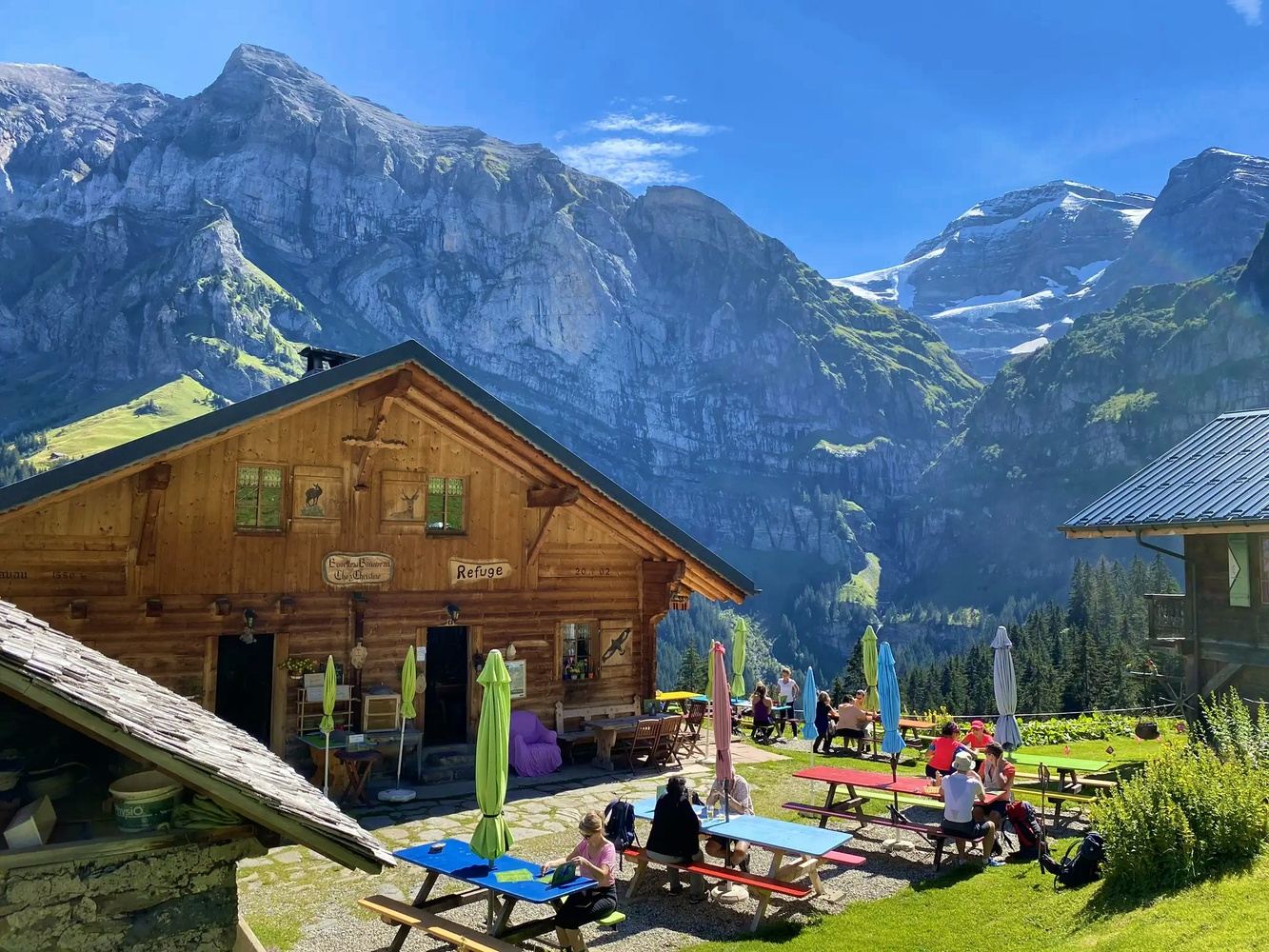
We stay in mountain huts in secluded locations. The rooms are dormitory style with shared bathrooms. You can expect electricity and, in most cases, Wifi. Bedding (duvet and pillow) will be provided for you in each hut, but you do need to bring a thin sleeping bag liner. Towels, toiletries and other facilities, such as hairdryers, that you often find in hotels are not available at our mountain huts.
Do I need to carry all my things?
You need to carry everything you need for the trip: clothes, toiletries, sleeping bag liner, as well as hiking things: waterproofs, sun protection, snacks and water bottle. Your full bag should be around 5kg plus water. Pack as light as possible but do plan to bring all the items on the packing list. Anything you don't require on the trip can be left at our base to be collected on your return.
How fit do I need to be?
Our trips are sustained challenges, not beach holidays. You’ll need a solid base level of fitness - think 8+ hours of trekking a day with an 8kg rucksack. Mental stamina is as important as physical - be ready to keep moving uphill for long stretches. Our mantra is slow and steady so don't let fitness worries be a barrier. You are probably stronger than you think.

.jpg)
.webp)

.webp)

.webp)
.webp)
