Trekking in Switzerland: best routes, planning & packing guide

There’s a reason people don’t just “go for a walk” in Switzerland.
They go trekking.
Because once you’re surrounded by the Swiss Alps, a short stroll feels like a missed opportunity. The scale is bigger, the views are sharper, and even a simple hike somehow turns into something memorable.
The challenge is knowing where to start.
With thousands of trails, routes ranging from gentle valley walks to multi-day treks, and weather that likes to keep things interesting, planning a trip here can feel slightly overwhelming.
This guide breaks it down properly. Where to go, how to plan, what to pack, and how to make sure your trip feels like an experience rather than a logistical puzzle.
What trekking in Switzerland looks like
Trekking in Switzerland isn’t one single experience. It shifts depending on where you are, how high you go, and how ambitious you’re feeling.
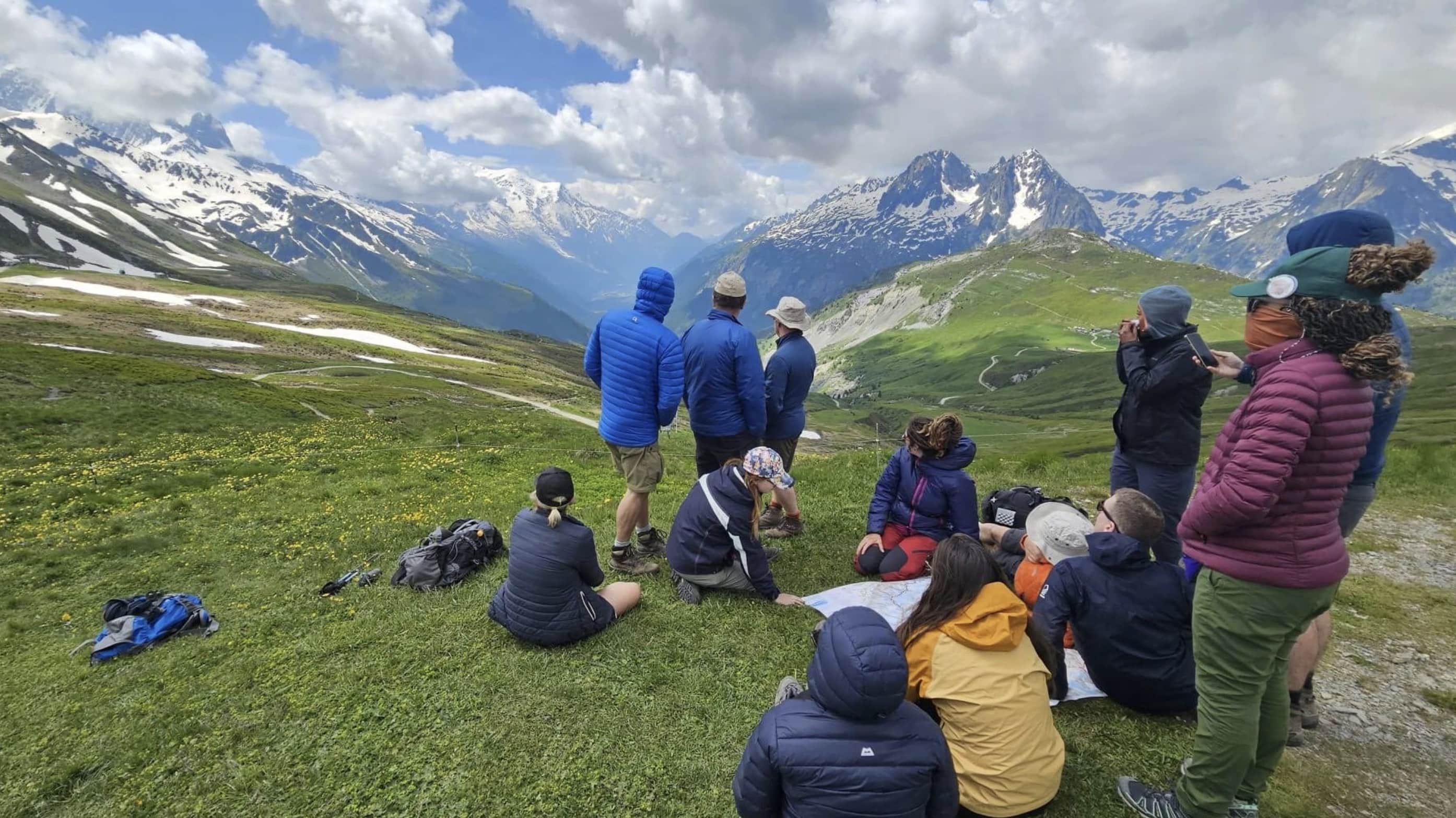
In one region, you might be walking through green valleys with waterfalls dropping down cliffs like someone forgot to turn them off. In another, you’re climbing above the tree line, surrounded by rocky ridges and distant glaciers.
The common thread is consistency. Trails are well marked, infrastructure is excellent, and even remote routes feel accessible with the right preparation.
That’s what makes Switzerland such a strong choice. You get the feeling of being deep in the mountains, without needing to be an expert to navigate it.
Popular trekking routes and regions
When people search for trekking in Switzerland, they’re usually looking for a place that balances scenery with accessibility.
Lauterbrunnen is often the first stop. It’s dramatic in a way that doesn’t feel real at first, with sheer cliffs, waterfalls and trails that weave through it all. It’s ideal if you want high reward without extreme effort.
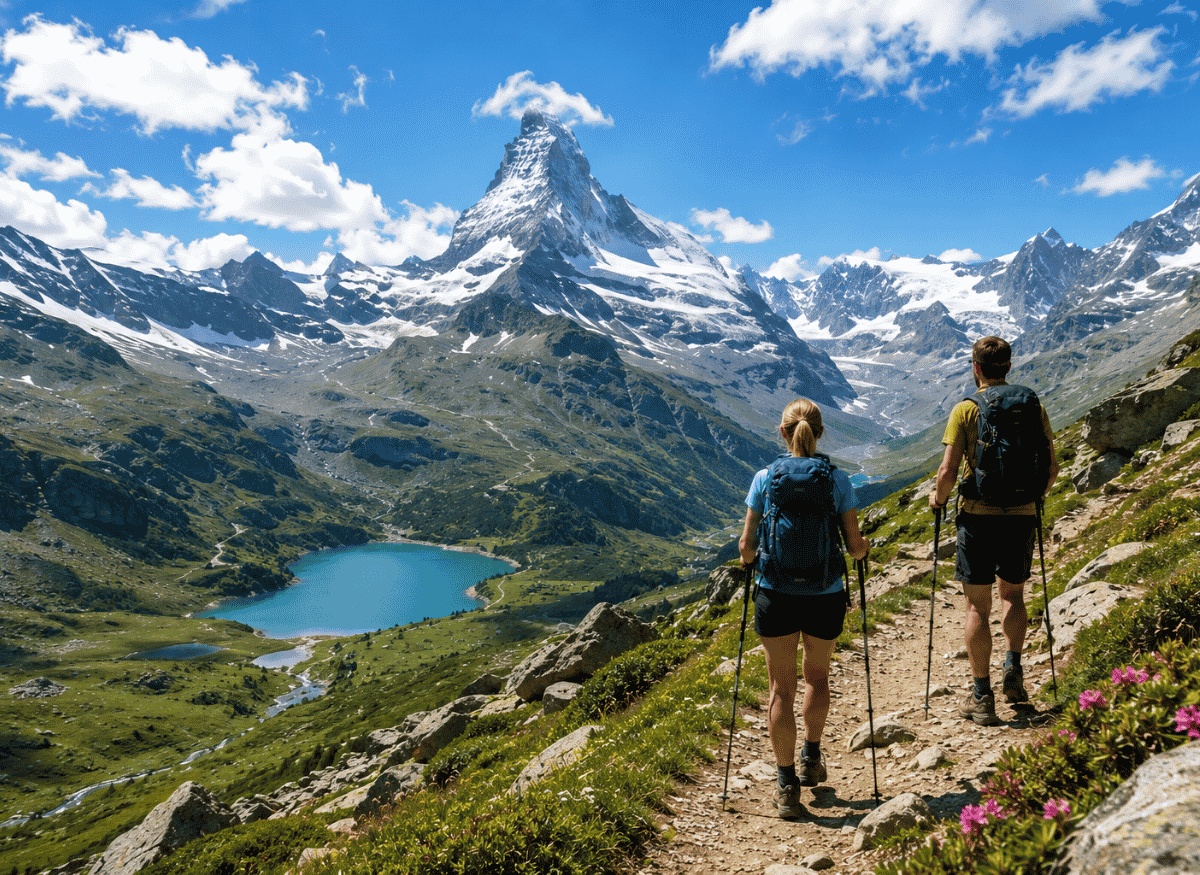
Zermatt offers something slightly different. The presence of the Matterhorn changes the feel of every route. It’s more alpine, more rugged, and tends to attract those looking for slightly more challenging hikes.
The Engadin region brings space. Wide valleys, high-altitude lakes and quieter trails that feel less crowded, even in peak season.
Then there’s the Jungfrau region, including places like Grindelwald and Wengen, where accessibility meets classic alpine scenery. Cable cars, well-connected trails and a huge range of options make it one of the most versatile areas for hikers.
Each region offers something slightly different, but they all deliver on the same core idea. You don’t need to go far to feel like you’re somewhere special.
Multi-day trekking vs day hikes


One of the biggest decisions you’ll make is how far you want to take it.
Day hikes are the easiest entry point. You can base yourself in one location, head out each day, and return to the same place in the evening. It’s flexible, comfortable, and still gives you access to some incredible trails.
Multi-day trekking is a different experience entirely. You move through the landscape, staying in mountain huts or small alpine hotels, carrying what you need, and building a rhythm as you go.
There’s something about waking up in the mountains and knowing your only real job is to walk to the next place that makes it feel more immersive.
That’s where options like structured alps hiking trips come into their own. You get the benefits of a multi-day trek without having to plan every detail yourself.
Planning your trekking trip

Planning a trekking trip in Switzerland doesn’t need to be complicated, but it does need a bit of thought.
Start with timing. The main trekking season runs from late June to early September, when trails are clear and conditions are more predictable. Outside of this window, snow and weather can limit access to higher routes.
Accommodation is another key factor, especially for multi-day treks. Mountain huts and small hotels can fill up quickly, particularly in popular regions. Booking ahead saves a lot of stress later on.
Weather is worth checking regularly, not just before you go but during your trip as well. Conditions can change quickly in the mountains, and having a flexible plan helps.
Then there’s route selection. It’s tempting to go straight for something ambitious, but choosing a route that matches your fitness and experience will make the entire trip more enjoyable.
Fitness and preparation
Trekking in Switzerland doesn’t require elite fitness, but it does reward preparation.
The most important thing is endurance. Being able to walk for several hours a day, often with elevation, is what makes the difference between enjoying the experience and simply getting through it.
Training doesn’t need to be complicated. Regular walks, gradually increasing distance and adding hills where possible, will do most of the work. Strength training can help, particularly for your legs and core, but consistency matters more than intensity.
If you’re planning a multi-day trek, getting used to carrying a backpack is also worth doing. Even a light pack feels different after a few hours, so it’s better to adjust beforehand.
What to pack for trekking in Switzerland
Packing for trekking in Switzerland follows a simple principle. Take what you need, not what you think you might need.
Clothing should be built around layers. A breathable base layer, a warm mid-layer and a waterproof outer layer will cover most conditions. The weather in the Alps has a habit of changing quickly, so flexibility matters more than having lots of options.
Footwear is one area where there’s no shortcut. Proper hiking boots or shoes that are already broken in will make a significant difference to your comfort.
A compact backpack, water, basic snacks, sun protection and a small first aid kit round out the essentials. Beyond that, it’s about keeping things light.
If your bag feels heavy before you start, it will feel much heavier a few hours into your hike.
Best time for trekking in Switzerland
The best time for trekking in Switzerland is during the summer months, from late June through to early September.
This is when trails are most accessible, mountain huts are open and conditions are generally stable. July and August offer the most reliable weather, but they also tend to be the busiest.
If you prefer a quieter experience, the edges of the season can be a good option. You might encounter slightly cooler conditions, but you’ll also find fewer people on the trails.
Why Switzerland stands out for hiking
There are plenty of places in the world where you can hike.
Switzerland just makes it easier to do it well.
The trails are clearly marked, transport links are reliable, and even remote areas feel connected. You can finish a hike, step onto a train, and be in a completely different region without much effort.
That combination of accessibility and scenery is hard to beat.
Explore guided Alps hiking trips
If you’d rather skip the planning and focus on the experience, you can explore structured alps hiking trips that take care of the logistics while still giving you the full trekking experience.
FAQs
Is trekking in Switzerland suitable for beginners?
Yes, trekking in Switzerland is very beginner-friendly. Many trails are well-marked and graded, with plenty of options ranging from easy valley walks to more challenging alpine routes. Starting with shorter hikes or guided trips is a great way to build confidence.
What is the best region for trekking in Switzerland?
It depends on what you’re looking for. Lauterbrunnen and the Jungfrau region are ideal for iconic scenery and accessibility, while Zermatt offers more rugged alpine terrain. The Engadin region is perfect if you prefer quieter trails and wide-open landscapes.
Do I need special equipment for hiking trails in Switzerland?
You don’t need technical equipment for most hiking trails in Switzerland, but good hiking boots, weather-appropriate clothing, and a comfortable backpack are essential. Conditions can change quickly, so layering and waterproof gear are important.
When is the best time for trekking in Switzerland?
The best time is from late June to early September. During this period, most trails are open, mountain huts are operating, and weather conditions are generally more stable.
Can I do multi-day Alps hiking trips without a guide?
Yes, many multi-day hikes in Switzerland can be done independently thanks to excellent trail signage and infrastructure. However, guided Alps hiking trips can simplify planning, accommodation, and route choices, making the experience more relaxed and enjoyable.
Related
More reading



.webp)
.webp)

.webp)

.webp)
.webp)